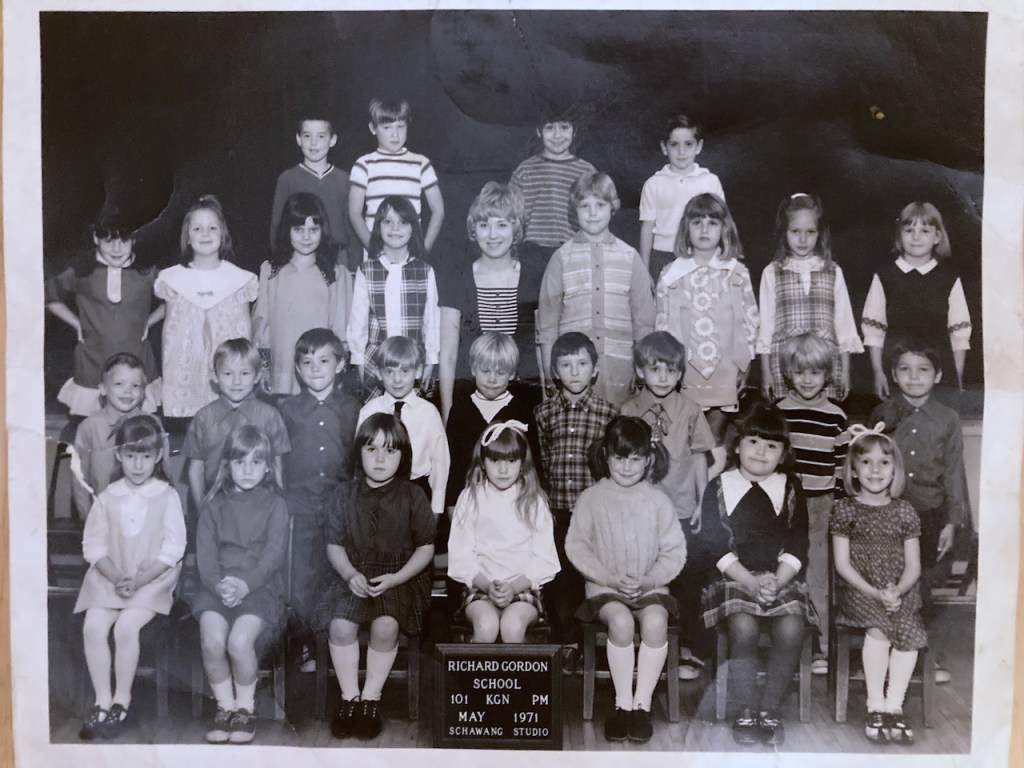
In 1970, at five years old, I began walking five blocks to Richard Gordon Elementary School in St. Paul’s Macalester Groveland neighborhood. This was the same school that Charles Schulz went to, so I definitely identify with the Peanuts gang trudging through fall leaves and snow drifts wrapped in wool. I thought of this when I read about the troubling conviction of a mother who allowed her five year old child to walk a half mile to gather feathers at a pond. Not only did I walk to school when I was elementary age, I was frequently sent to shop for groceries or to buy something at the local hardware store.
As a recent NY Times article points out, the paranoia around child abductions arose after the 1979 disappearance of 6-year-old Etan Patz. Although kidnappings are incredibly rare, the dominant attitude among U.S. parents now seems to be that children under ten should not be allowed outside the home alone.
A more legitimate danger for children is the automobile. In 2025, parents of a 7 year old child killed by a car while walking with his older brother were charged with involuntary manslaughter. I certainly had to cross multiple streets getting around where I lived in St. Paul, but the neighborhood was pedestrian friendly and walking was common. Most children now live in suburbs designed to facilitate fast driving.
This is another factor that explains the insane traffic jams that are found around schools, where parents drop their children off. In the 1960s around half of students walked to school, and for those who lived within a half mile it was almost 90%. Today only 11% of children walk or bike to school and most are driven by parents in minivans. Of course this traffic only makes it more dangerous for children who are trying to walk or bike to school. (In 2023, Jason Kottke produced a great video discussing this problem and possible solutions).
I’m aware of sounding like the grandpa trope of “when I was a kid we walked miles in the snow to get to school”, but this suggests things were so much harder when in fact I am suggesting things were easier. Not being dependent on cars–biking, walking, taking the bus–gave kids freedom that the suburban or exurban environment denies.

